Permanent Secretary joins Primary Futures event to inspire pupils
Posted January 27, 2026
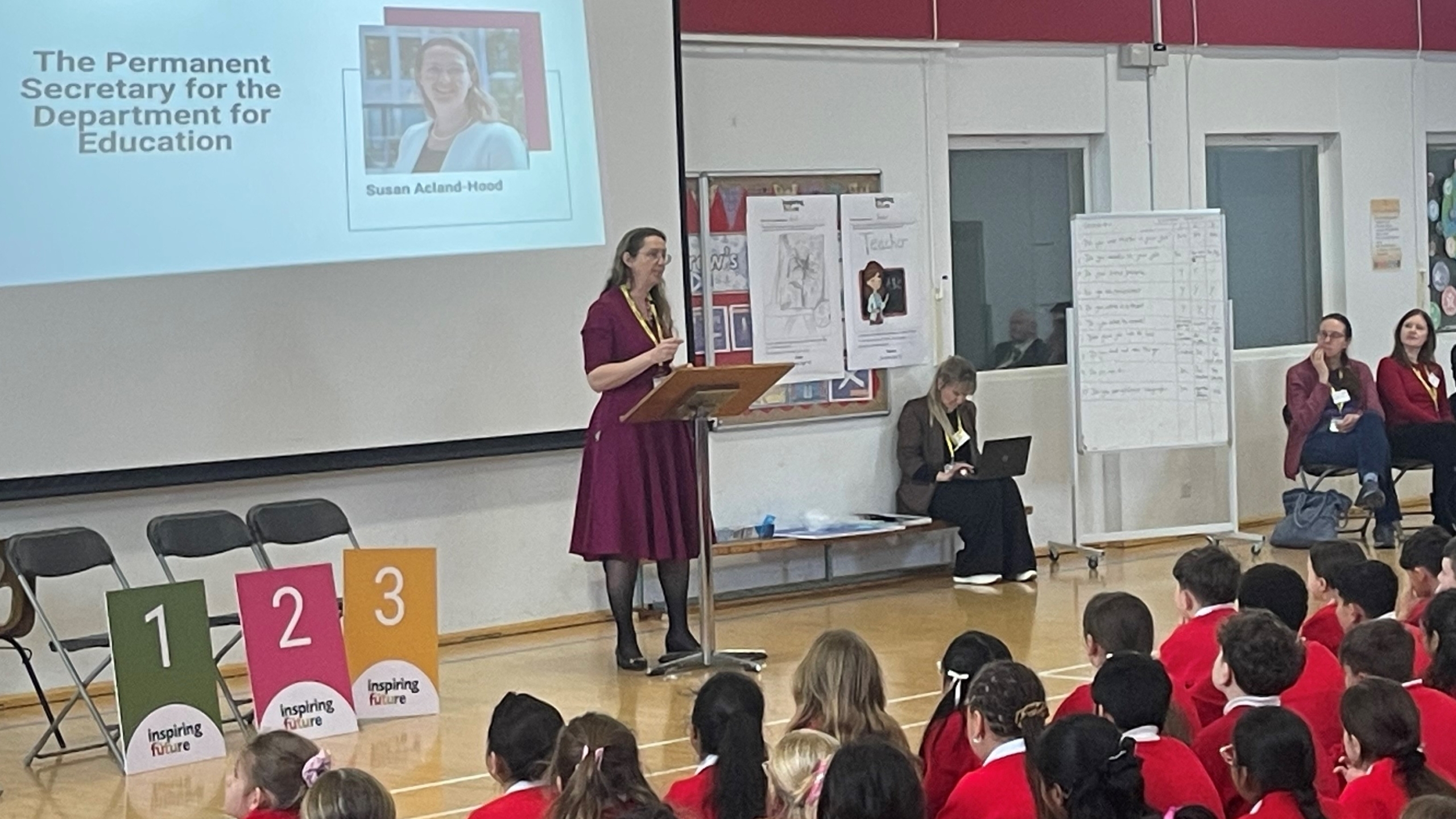
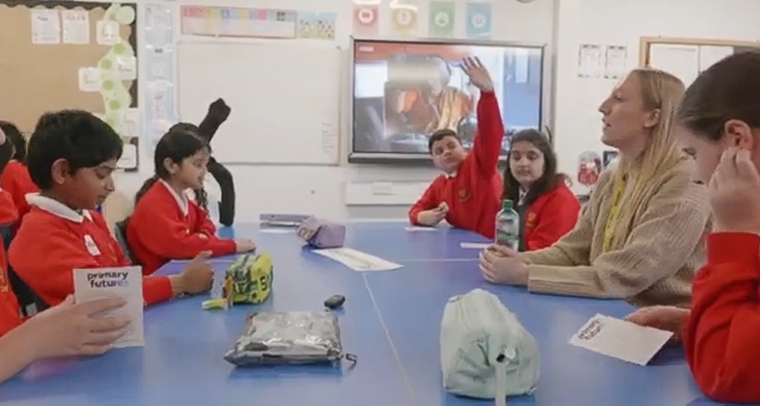
Pupils at Hillborough Junior School in Luton got chance to meet senior civil servants – including the Department for Education’s Permanent Secretary, Susan Acland-Hood – at a Primary Futures event delivered by the Education and Employers charity.
The event introduced Year 5 and 6 pupils (aged 9–11) to a wide range of jobs, helping to broaden their horizons, raise their aspirations and show the opportunities open to them and the relevance of the subjects they are studying.
The event brought together volunteers from across the Civil Service, giving children the chance to hear about different roles and discover new options and possibilities for their future. All in an engaging and age-appropriate way.
Starting with pupils’ own ideas
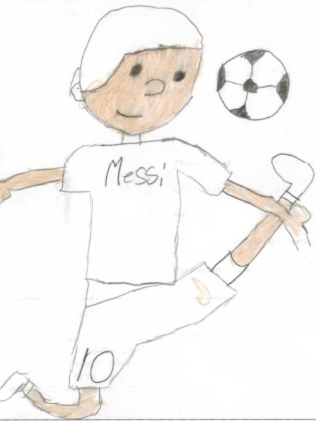
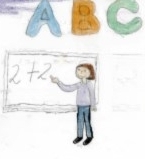
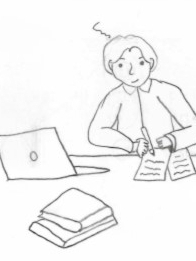
Ahead of the event, pupils were asked to draw the jobs they might like to do in the future.
44% had heard about their chosen job from family
56% cited teachers, social media (inc YouTube and TikTok etc), TV and hobbies
As our research shows, these early ideas are often shaped by what children see around them.
A footballer – in the top 10 jobs 50% of children choose.
A teacher – the top job chosen by girls (and in the top 10 jobs).
An author – also featuring in the top 10 jobs children decide on.
Introducing children to jobs they haven’t seen before
The aim of the day was to help children see beyond the jobs they already know and realise how many different options are out there.
The event began with a “What’s My Line?” activity, where pupils asked volunteers yes/no questions to guess their jobs.
This helped to:
reveal jobs pupils hadn’t heard of before
challenge assumptions about what different roles involve
build curiosity before hearing directly from volunteers
As one pupil put it:
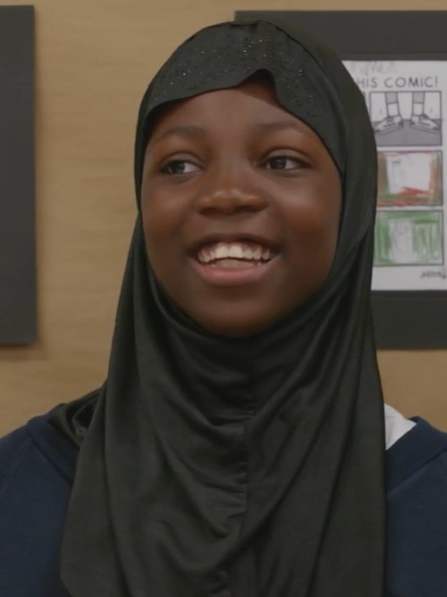
“I thought it was cool how many different jobs that I didn’t know there was. So many of them.”
Small group conversations that make it real
Pupils and volunteers then moved into classrooms, where they met even more volunteers working in the Civil Service, who chatted with small groups of 4–5 children.
These conversations gave children the chance to properly explore jobs in more detail – and ask lots of questions. For many, it was the first time they had been able to ask direct questions and get clear, honest answers.
As one pupil said:
“They explained it so we could actually understand it, not in difficult words.”
A standout moment: hearing from the Permanent Secretary
Susan Acland-Hood first spoke to pupils in the hall, where she shared her career story and got children actively involved – asking questions and getting lots of hands up straight away. It felt like a conversation, not a speech.
She then joined the classroom sessions, sitting with small groups of pupils and continuing those conversations in a more informal setting.
Watch: pupils, volunteers and Susan Acland-Hood reflect on the impact of the day (<2 mins
Showing the many opportunities across the Civil Service
Alongside the Permanent Secretary and colleagues from the Department for Education, volunteers joined from other government departments including the Department for Transport, Department for Health and Social Care and the Home Office.
Together, they helped show children just how many different roles exist – many of which they had never heard of before.
Why this matters
Children’s ideas about jobs form early and are often limited by what they see around them.
Our research shows many focus on a narrow set of popular roles, despite there being far fewer opportunities available than demand. Introducing a wider range of careers helps broaden horizons, reduce this gap between aspiration and opportunity, and build the future workforce we need.
As one pupil summed it up:
“I would basically say like a miracle happened in school because of how many things I’ve learned.”
About Education and Employers
We started our work in 2009 to help children understand jobs, careers and the opportunities open to them.
Too often, children base their ambitions on a narrow range of familiar jobs, without knowing what else is out there. This can limit their choices later on.
Our Primary Futures programme connects primary schools with volunteers from the world of work, helping pupils learn about different jobs, how people got into them, and the wide range of opportunities available to them.
To date, we have:
created 4.9 million interactions between young people and volunteer role models
engaged 12,500 state schools and colleges
attracted over 90,000 volunteers from 6,000+ employers
How you can make a difference
Employers and organisations
If your organisation wants to inspire future talent to achieve more, break stereotypes and reduce unemployment, we can help. Our evidence-based programmes create engaging and impactful connections between volunteers and schools nationwide. It’s powerful and it works.
You can access our 90,000+ role models through our platform as soon as you register with us. We work with primary and secondary state schools as well as colleges across the UK.