
Writing in Heywood Quarterly, Nick Chambers, Chief Executive of Education and Employers explores how to make work experience available to more young people. Below, we summarise his arguments and share extracts from his article.
Alan Milburn’s report has put the challenge of helping young people into work firmly in the spotlight. Work experience must be part of the answer. But expanding access means thinking beyond a placement in the teenage years – and beyond the opportunities available through family connections.
The need is clear. The OECD’s 2025 research found that 46% of UK 15-year-olds had no clear career expectation, up from 5% in 2000. Half of young people’s aspirations focused on just 10 jobs, revealing a significant gap between the futures they imagine and the range of roles available.
Reflecting on his early teaching experience in Wigan, Nick writes:
“I saw first-hand what happens when young people meet individuals who do real jobs and then spend time in a real workplace: their aspirations widen and their motivation in the classroom rises.”
Seventeen years leading Education and Employers have reinforced the importance of making those encounters available to every child.
80% lower odds of becoming NEET
The odds of young people who experienced the highest levels of employer engagement before the age of 16 becoming NEET are 80% lower than those with the least engagement.
Source: Work Experience: Past, Present and Future, Education and Employers.
Yet more than four-fifths of young people rely on family and friends to find placements. Access remains too dependent on who you know, leaving those without connections at risk of missing out.
Start earlier, offer more ways to take part
Children form assumptions about jobs long before they choose their GCSEs. Research shows that seven-year-olds’ aspirations are strikingly similar to those of 17-year-olds. Waiting until the final years of secondary school leaves those assumptions unchallenged for too long.
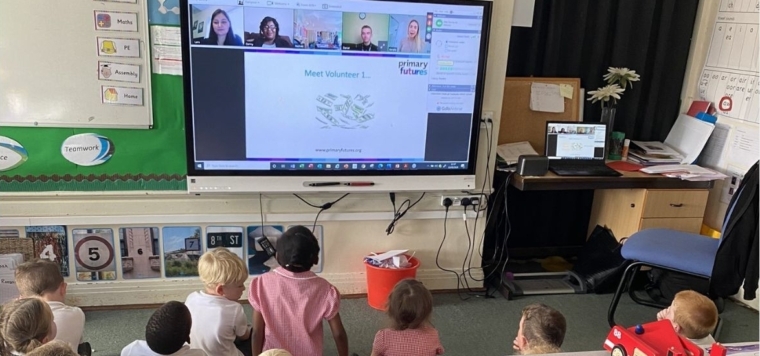
Volunteers visiting classrooms, virtual workplace tours and employer open days can all help children and young people discover different roles and connect learning with future opportunities. Through Primary Futures and Inspiring the Future, Education and Employers helps schools build these connections from primary age onwards.
Ambition needs practical support
Employers and schools are supportive of the concept of work experience – but both find the practicalities, logistics and bureaucracy challenging and off-putting. In research by Education and Employers, 94% of teachers said organising additional placements would be difficult or very difficult, citing pressures including staffing, costs and safeguarding.
The response must make involvement simpler, support schools and build on existing organisations and employer relationships.
As Nick notes:
“Government should also lead by example: only 22% of government departments mention work experience on their websites, according to the charity’s report.”
There is much that can be done now, without significant additional funding. The priority is to turn support for work experience into opportunities young people can actually access.
Heywood Quarterly 17 November 2026: Work experience and reducing the number of NEETs
Read the full article in Heywood Quarterly
Nick sets out practical recommendations for government departments, employers and individual civil servants to help more young people access work experience.
Read Nick’s full article →
Could your organisation help inspire its future workforce? Find out how we work with employers and industry partners.